
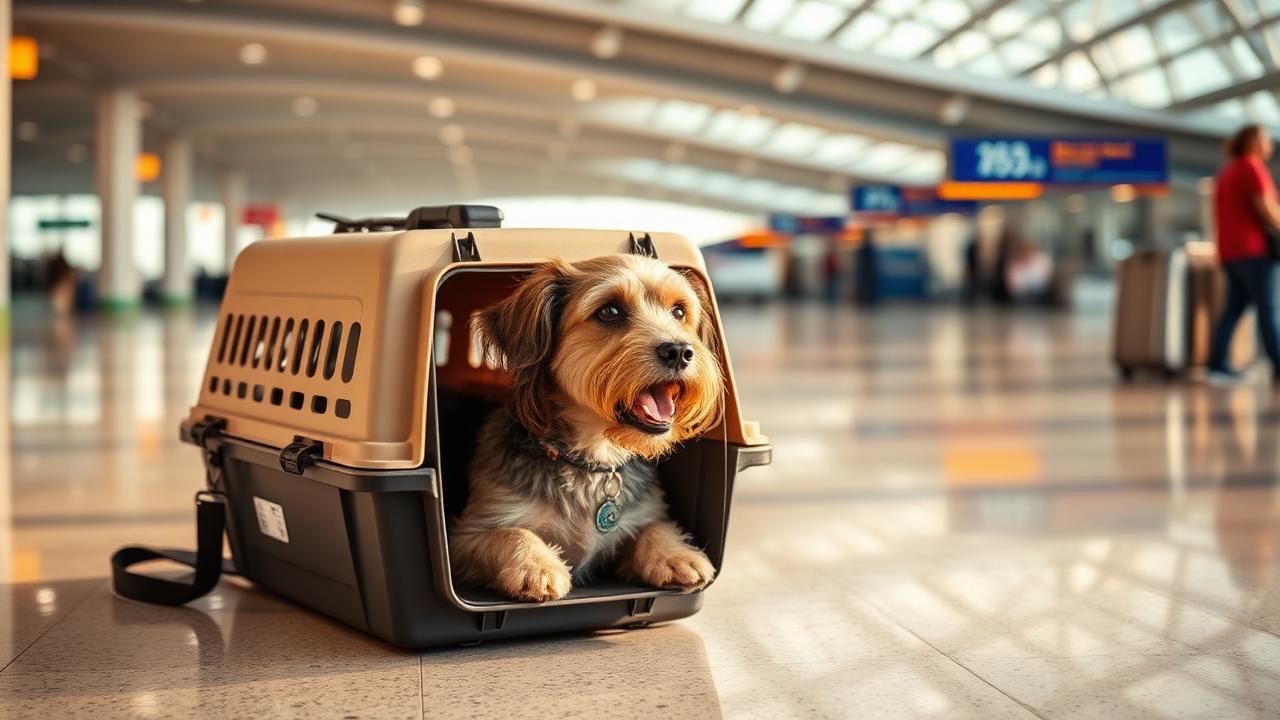

For many people relocating to Spain, the family pet isn't an afterthought — it's a non-negotiable part of the move. But pet relocation is one of those processes that looks simple on the surface and turns out to have real, unforgiving timing constraints once you dig into the details. Getting the sequence wrong can mean your pet simply isn't cleared to travel when you need them to be.
Step One: The Microchip Comes Before Everything Else
This is the detail that catches people out most often. Your pet needs an ISO-compliant microchip implanted before any rabies vaccination that you intend to count toward travel eligibility. If your pet was vaccinated before being microchipped, that vaccination generally doesn't count for official travel purposes, even if it's medically valid — the paperwork sequence matters as much as the medical facts.
If your pet already has an older vaccination and a newer microchip, or vice versa, this is worth checking carefully with your vet before assuming your pet's existing records are sufficient.
Step Two: A Properly Timed Rabies Vaccination
A valid rabies vaccination is required, but the timing rules are specific and non-negotiable:
- The vaccination must have been administered after the microchip implantation (as above).
- There's typically a required waiting period after vaccination before travel is permitted — commonly around 21 days from a primary vaccination, though this can differ for booster vaccinations in an animal with a documented prior vaccination history.
- The vaccination also needs to remain within its valid period at the time of travel — an expired vaccination is as much of a problem as one administered too early.
Given these constraints, this single step alone can require a minimum lead time of several weeks, and realistically, planning around a full month or more of buffer is far safer than assuming the minimum timeline will work smoothly.
Step Three: The Right Documentation for Your Situation
The exact documentation required depends on where you're traveling from:
- From within the EU: An EU pet passport, issued by an authorized vet, documenting the microchip, vaccination history, and other required health information.
- From outside the EU (including, notably, the UK post-Brexit, and countries like the US, Canada, and Australia): An official health certificate, issued within a specific window before travel (commonly around 10 days), rather than the EU pet passport system.
This is a common point of confusion for pet owners who assume the process is identical regardless of origin — it genuinely isn't, and using the wrong document type (or the right type prepared outside the valid window) can result in your pet being denied travel.
Step Four: Check Airline-Specific Requirements
Beyond the official government and EU requirements, individual airlines often have their own separate rules around pet travel — approved carrier types and dimensions, weight limits for in-cabin versus cargo travel, breed-specific restrictions, and advance booking requirements for pet spaces (which are often limited per flight). These airline requirements exist independently of, and in addition to, the official travel documentation, so both need to be satisfied.
Step Five: Understand Spain's Breed-Specific Rules
Spain has its own regulations around certain breeds classified as "potentially dangerous," which can carry additional requirements — such as specific insurance, licensing, or handling requirements — once the animal is living in Spain, separate from the travel process itself. If you own a breed that might fall into this category, it's worth researching Spain's specific classification and requirements well before arrival, since these can differ from how the same breed might be treated in your home country.
Realistic Timeline: Start Four Months Out (Or More)
Given the sequencing requirements — microchip before vaccination, a waiting period after vaccination, and then document preparation within specific windows before travel — a realistic total lead time is at least four months for a first-time pet traveler with no prior qualifying vaccination history. This isn't a process that can be compressed into a few weeks, no matter how organized you are, because several of the required waiting periods are fixed and cannot be rushed regardless of how quickly you move on the administrative side.
Common Mistakes Pet Owners Make
Vaccinating before microchipping. This single sequencing error can invalidate an otherwise properly timed vaccination for travel purposes.
Underestimating the post-vaccination waiting period. Booking travel without accounting for this mandatory buffer is one of the most common — and most frustrating — planning mistakes.
Assuming the EU pet passport process applies regardless of origin country. As covered above, non-EU origins (including the UK) require a different type of documentation, prepared within a different, generally shorter window before travel.
Not checking airline-specific pet policies separately from official travel documentation. Meeting the government requirements doesn't automatically mean you've met your specific airline's requirements — both need separate confirmation.
Leaving breed-specific research until after arrival. If your pet might fall under Spain's "potentially dangerous" breed classifications, understanding the local requirements in advance avoids complications once you've already relocated.
What Pet Owners Planning a Spain Move Should Do
- Check your pet's current microchip and vaccination history immediately, and confirm the sequencing is correct for official travel purposes.
- If your pet isn't already properly microchipped and vaccinated in the right order, start this process at least four months before your intended travel date.
- Confirm which type of documentation applies based on your country of origin — EU pet passport vs. official health certificate.
- Check your specific airline's pet policies well in advance, including any advance booking requirements for pet spaces.
- Research Spain's breed-specific requirements if relevant to your pet, before arrival rather than after.
Moving with a pet is entirely achievable, and thousands of families do it successfully every year — but it genuinely rewards early planning more than almost any other part of a relocation. Start the paperwork clock running as early as possible, and treat the official minimum timelines as a floor, not a target to cut close to.
This article is for general informational purposes and does not constitute legal or veterinary advice. Pet travel requirements vary by origin country and are subject to change. Consult your veterinarian and relevant authorities for guidance specific to your pet and travel plans.
Sources and references
This article was prepared by the CarWay Migrate legal team using the following official sources. Requirements change, so confirm current rules before acting:
- Ministerio de Agricultura — viajar con animales de compañía
- Your Europe — viajar con animales de compañía en la UE
- Ley 7/2023 de protección de los derechos y el bienestar de los animales
Related reading
Need this reviewed for your own case? CarWay Migrate is a Spanish immigration and tax law firm working with English-speaking clients across Spain. Book a consultation and we will look at your specific situation.
Further English-language reading consulted while preparing this article: Movewise — relocating with pets · Expatica Spain — pet import guides · Balcells Group — moving to Spain checklists.